
Packaging Machine Factory Acceptance Testing: How We Validate Machinery Before Shipment
October 30, 2026
Why Factory Acceptance Testing Matters
Investing in automated packaging equipment requires absolute confidence in operational reliability. Packaging machine factory acceptance testing serves as the critical bridge between manufacturing and site commissioning, allowing customers to verify equipment performance prior to shipment. Performing comprehensive testing at our facility prevents costly production downtime, minimizes installation delays, and eliminates unexpected retrofits at your plant. By identifying and resolving potential discrepancies early, FAT ensures your machinery arrives pre-configured, fully compliant, and ready for seamless integration into your facility.
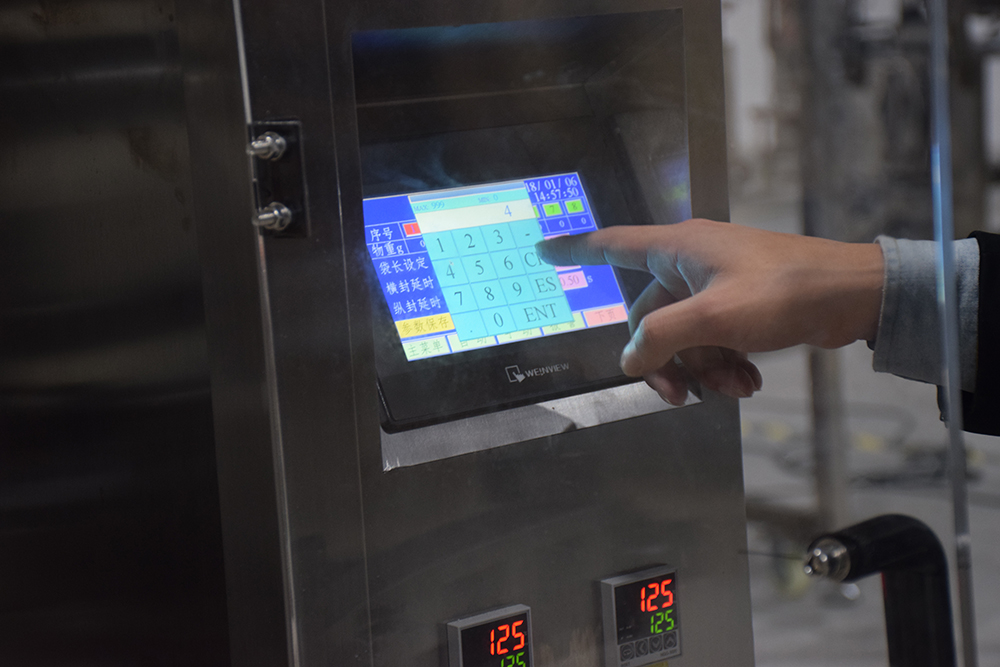
What Is Packaging Machine Factory Acceptance Testing (FAT)?
Factory Acceptance Testing goes far beyond a standard pre-shipment equipment check. While standard checks cover baseline mechanical assembly, a full FAT is a rigorous, structured validation process executed against your specific purchase contract and functional requirements.
During FAT, our engineering team systematically verifies compliance with all customer technical specifications. We conduct thorough evaluations of the machine’s mechanical structures, electrical wiring, PLC control systems, and human-machine interfaces (HMI). Crucially, the process ensures the machine consistently meets agreed-upon packaging dimensions, speed targets, filling tolerances, and operational parameters under simulated production conditions.
Our Packaging Machine Pre-Shipment Inspection Process
To guarantee total equipment integrity, our VFFS pre-shipment inspection process and general machinery testing follow four distinct validation phases:
-
Mechanical Inspection: We verify component alignment, drive belt tensioning, pneumatic cylinder response, frame structural integrity, and overall build dimensions against engineering blueprints.
-
Electrical and Control System Inspection: Technicians test sensor calibration, safety interlocks, PLC I/O mapping, wiring color-coding standards, emergency stop circuits, and user interface controls.
-
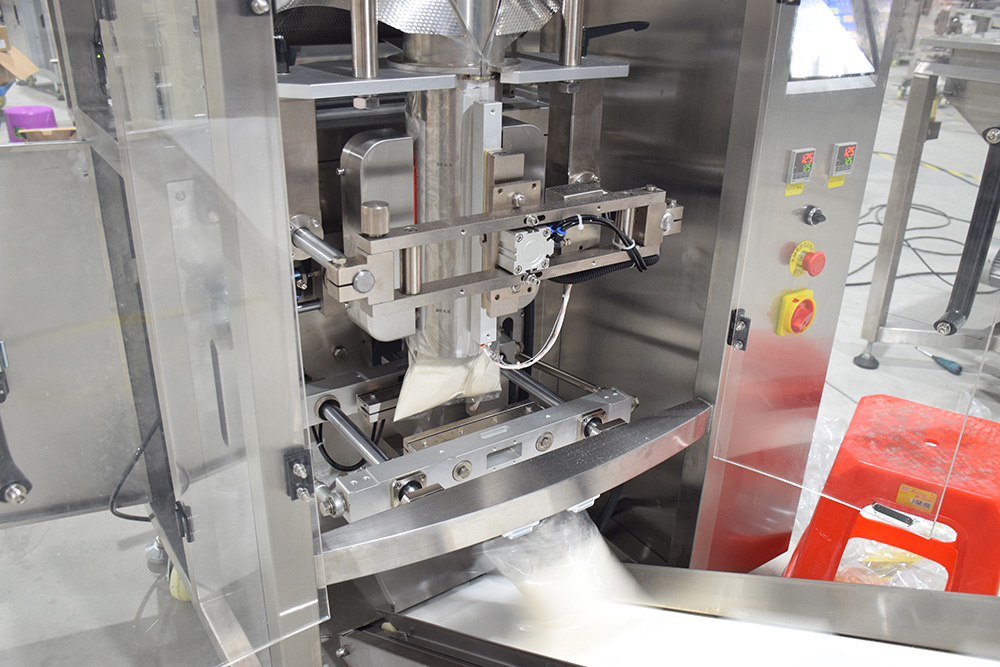
Packaging Material and Sealing Inspection: For Vertical Form Fill Seal (VFFS) systems, we inspect film tracking, former alignment, heat-seal bar temperature uniformity, end-seal integrity, and knife cut precision.
-
Safety and Operational Inspection: We test physical guard interlocks, noise levels, heat dissipation, emergency stop response times, and failure-mode recovery procedures under active power.
Custom Packaging Line Trial Run and Validation
A successful evaluation goes beyond simple “idling” or running machines empty. Our custom packaging line trial run and validation protocol stress-tests equipment using your actual raw materials and approved packaging films.
During extended trial runs, we fine-tune temperature, timing, and dosing controls. We strictly measure:
-
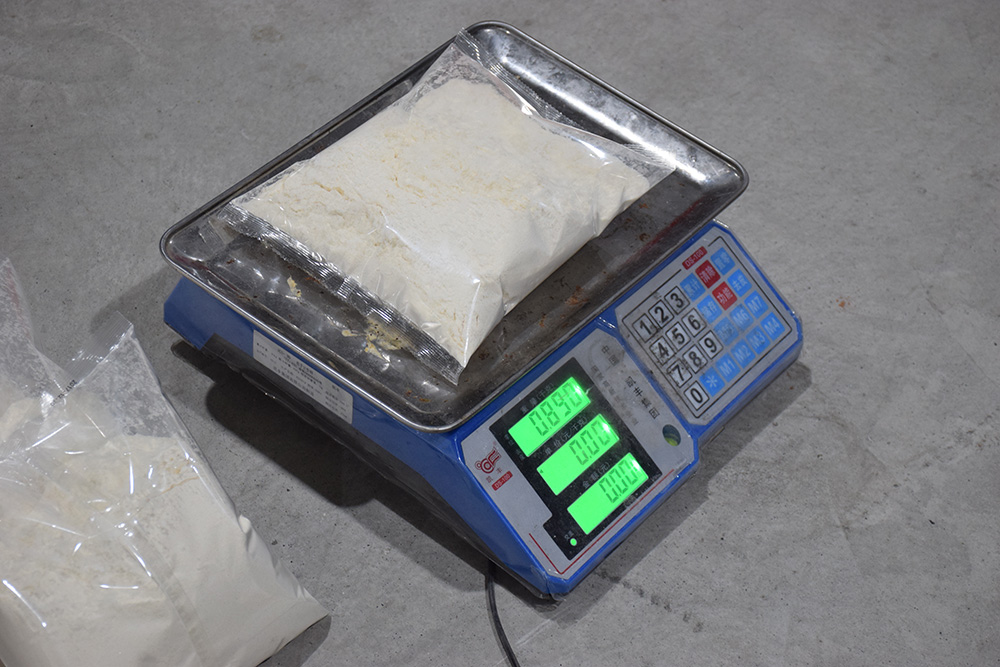
Filling Accuracy: Confirming target weights and volumes minimize product giveaway.
-
Packaging Speed & Output: Verifying target cycles per minute (CPM) without mechanical jamming.
-
Seal Integrity: Inspecting seals for leaks, channels, or cosmetic defects.
-
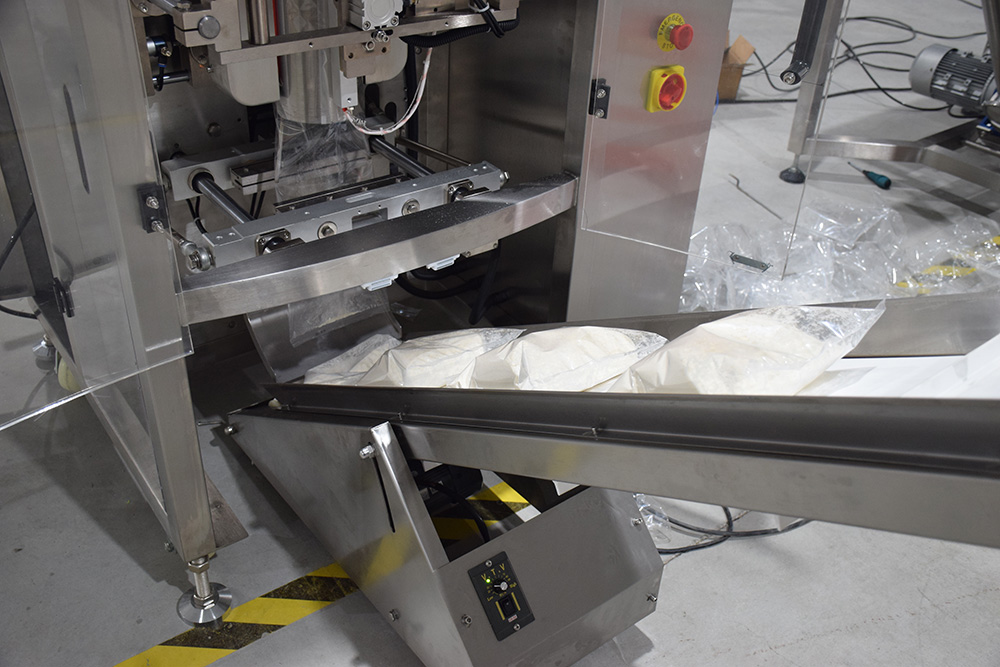
Line Integration: Validating synchronization across upstream weighers, conveyors, coders, and downstream case packers.
Packaging Machine Quality Inspection Standards
We measure performance using quantifiable packaging machine quality inspection standards rather than generic quality claims:
-
Dimensional & Structural Integrity: Zero frame distortion; adherence to exact layout dimensions within ±1.0mm
-
Filling & Dosing Accuracy: Statistical verification ensuring weight variation remains within strict tolerances (e.g., ≤±0.5%).
-
Sealing Consistency: Hermetic seal validation via vacuum leak testing and burst testing.
-
Operational Stability: Continuous multi-hour operational run without unprogrammed stoppages or software faults.
-
Safety Protection: 100% compliance with ISO/CE safety standards, including immediate power cutoff upon guard opening.
-
Packaging Appearance: Neat, crease-free film seals with clear, aligned date/lot code printing.
FAT Report, Customer Confirmation, and Shipment
Every test phase is documented in a detailed FAT Report. Customers can participate directly on-site at our factory or conduct remote verification via high-definition live video streams.
If any performance deviations are identified during testing, our engineering team implements corrective actions immediately and re-tests the affected systems. Once all punch-list items are cleared, the customer signs the formal FAT Acceptance Certificate. Only then is the machinery approved for rust-proofing, protective wooden crate packaging, and international shipment.
FAQ
Q: Can we bring our own product samples and film for testing?
A: Yes. We strongly recommend supplying your specific film rolls and product batches to ensure authentic validation.
Q: What happens if a machine fails FAT criteria?
A: Equipment does not ship until all non-conformances are corrected, re-tested, and officially approved by your engineering team.
Ready to secure reliable packaging equipment? Contact our team today to discuss your project specifications and schedule a factory inspection.